Hardwood, LVP, tile, and everything that runs through a home.
We install and refinish floors across every material. Same crew handles the tear-out, the subfloor, the install, and the transitions so there are no gaps between trades.
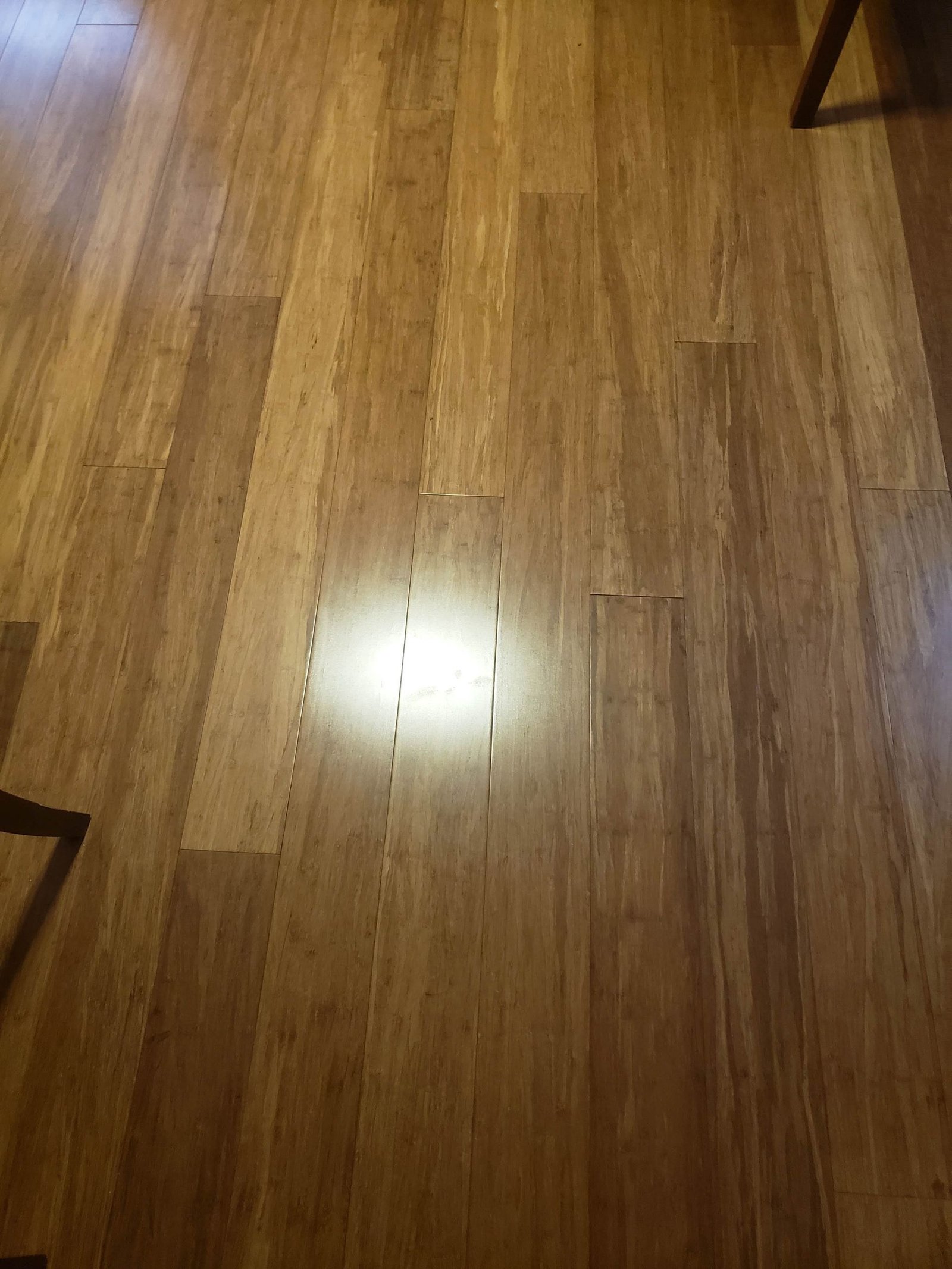
Five materials, five different rooms they belong in.
Every floor material has rooms it works in and rooms it does not. Here is the straight version of each, with the real trade-offs.
Solid hardwood
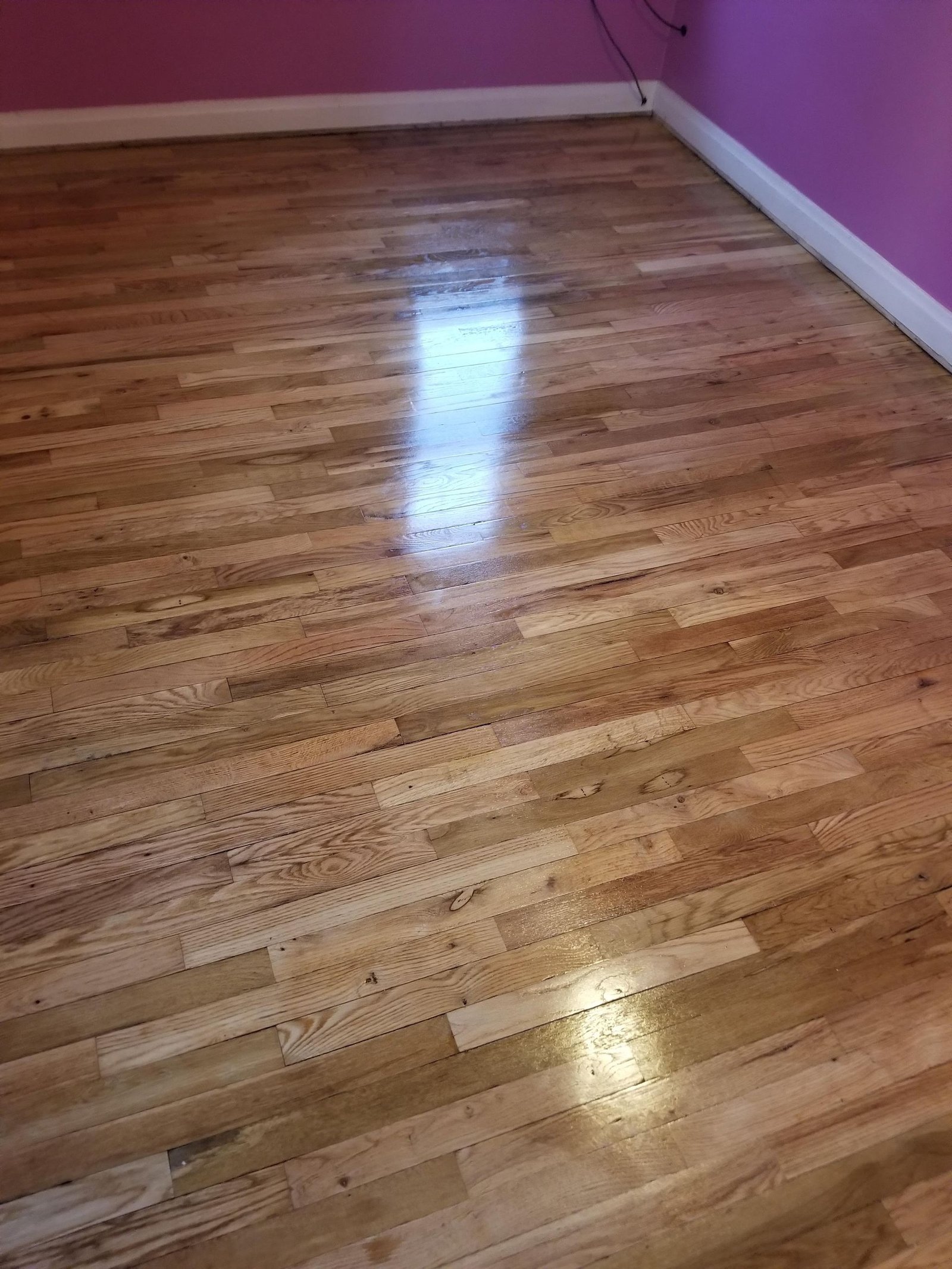
Real wood, sanded and finished on site or factory-finished. Can be refinished multiple times over its life.
Engineered hardwood
Real wood veneer over a plywood core. More stable than solid wood. Works over concrete slabs and radiant heat.
Luxury vinyl plank
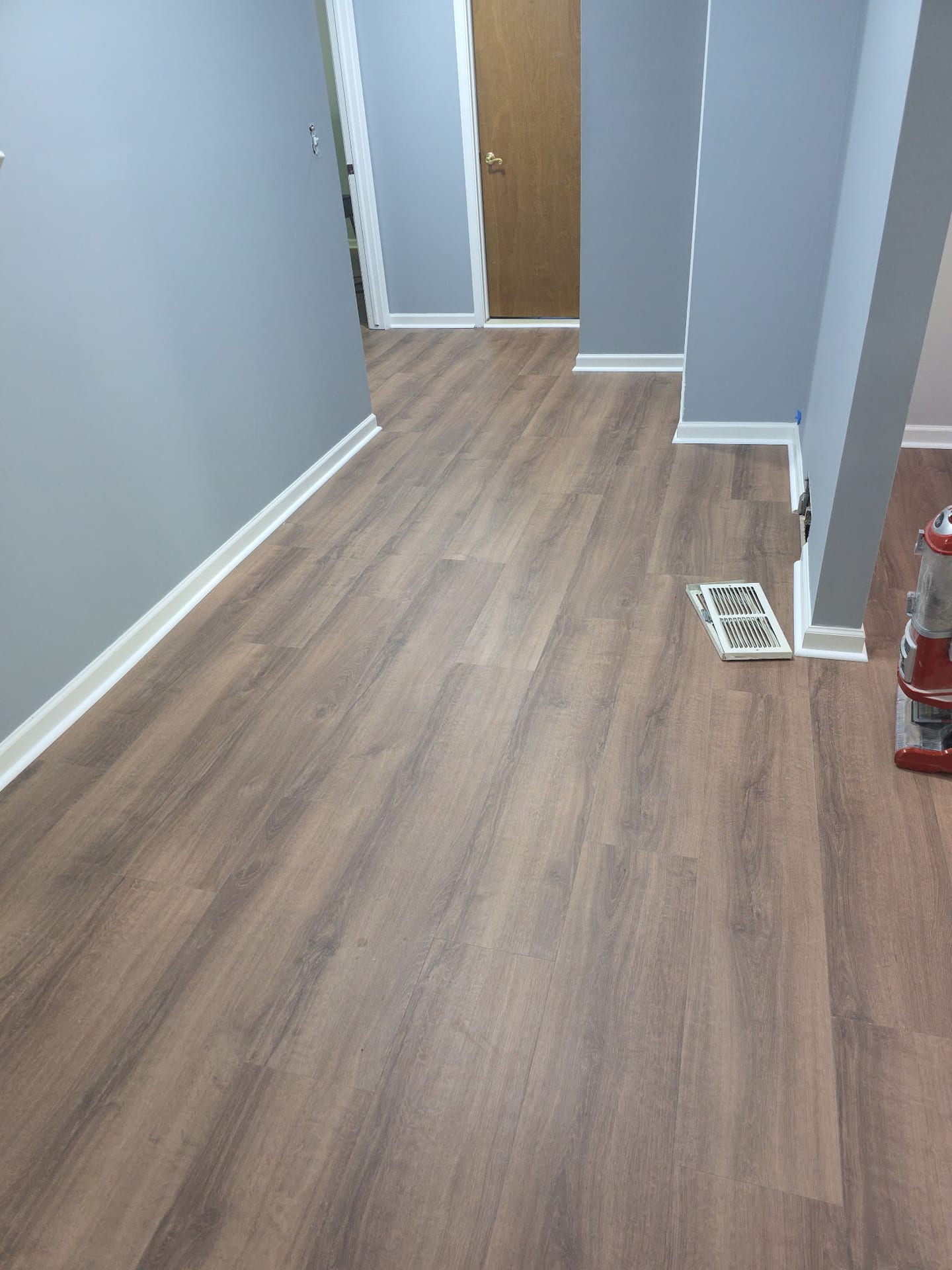
Waterproof, softer underfoot than tile, convincing wood-look prints. Fastest-growing option for whole-house installs.
Tile & stone
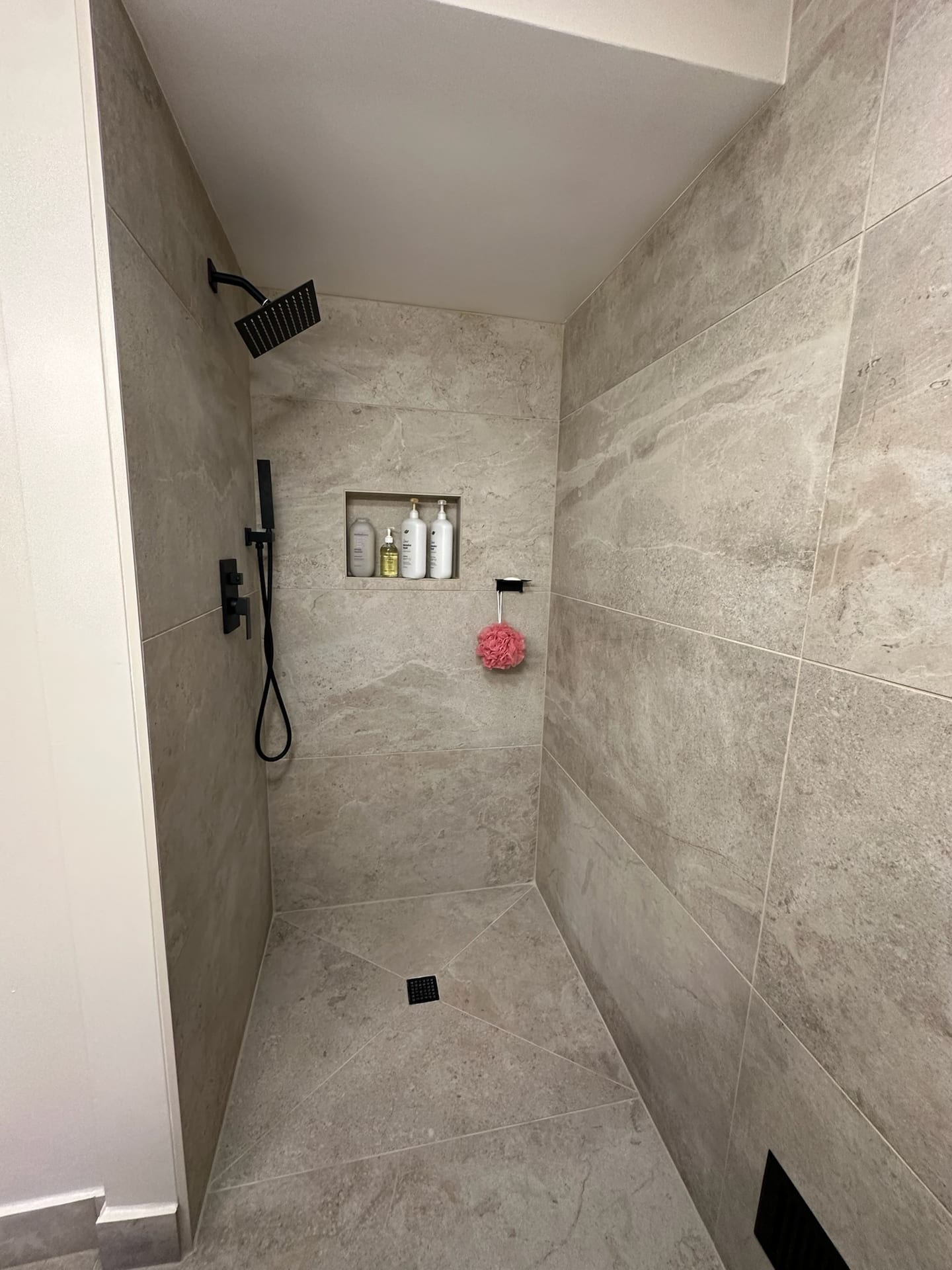
Porcelain, ceramic, natural stone. Hardest-wearing, water-resistant, and takes heated-floor mats well.
Carpet
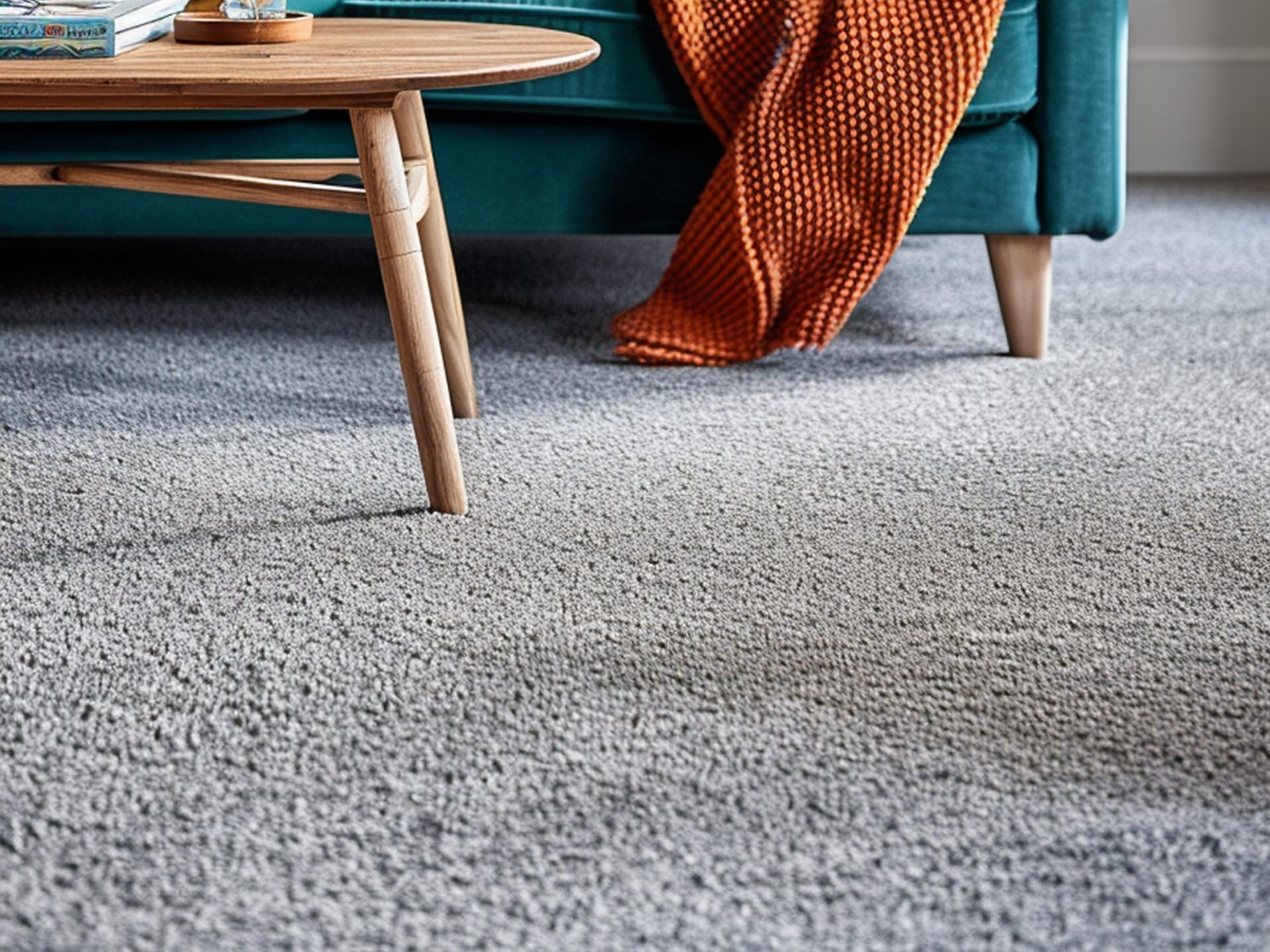
Soft, warm, sound-absorbing. Nylon for traffic areas, wool for comfort rooms. Installed over proper pad.
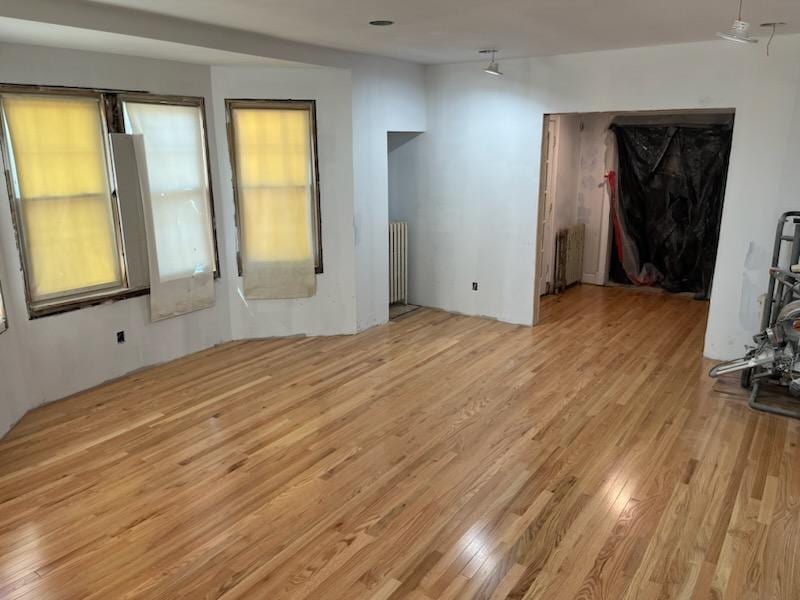
A great floor starts with what you put it on.
Every problem we get called back to fix later, whether squeaks, gaps, plank popping, or tiles cracking at the grout, traces back to the subfloor.
A dead-flat, dry, well-fastened subfloor is non-negotiable. Spending a day or two on prep saves years of looking at a floor that does not sit right. We measure moisture in the slab or plywood, we level low spots with self-leveler, and we screw down every board we can hear move.
Different materials call for different prep specs. Tile needs flatter than hardwood. LVP wants a clean moisture barrier over concrete. Engineered wood and solid wood both want stable humidity during install. We check all of it before anything gets laid.
Three ways a floor actually attaches.
Every flooring material uses one of three install methods. The material often decides this for you, but the subfloor, the room, and whether there is radiant heat can push the choice.
Click-lock planks sit on an underlayment pad, not fastened to the subfloor at all. Each plank locks to its neighbor mechanically, and the whole field floats as one.
Adhesive applied to the subfloor, flooring laid into it. The most solid-feeling install. No hollow-step sound, works with radiant heat, minimal lateral movement.
Cleats or staples driven through the tongue of each board into a plywood subfloor. The traditional hardwood install. Tight, durable, can be refinished repeatedly.
What we usually recommend room by room.
A quick guide to what we put in what room, in order of how often we install it. Client preference always wins. This is just the starting point.
Carrying one material across multiple rooms gives a whole floor a bigger, more unified feel. If that is the direction, engineered wood or LVP are the two that work almost everywhere.
Explore our full range of renovation specialties.
Let’s talk about
your project.
We bring pride and passion to every project that we undertake, with a professional team of designers, project managers and tradespeople. Request your free consultation today.