Outdoor renovation
Custom decks, covered patios, pergolas, and exterior finishes. Every build starts with real footings and framing designed for Michigan freeze-thaw, not shortcut concrete that heaves by spring.
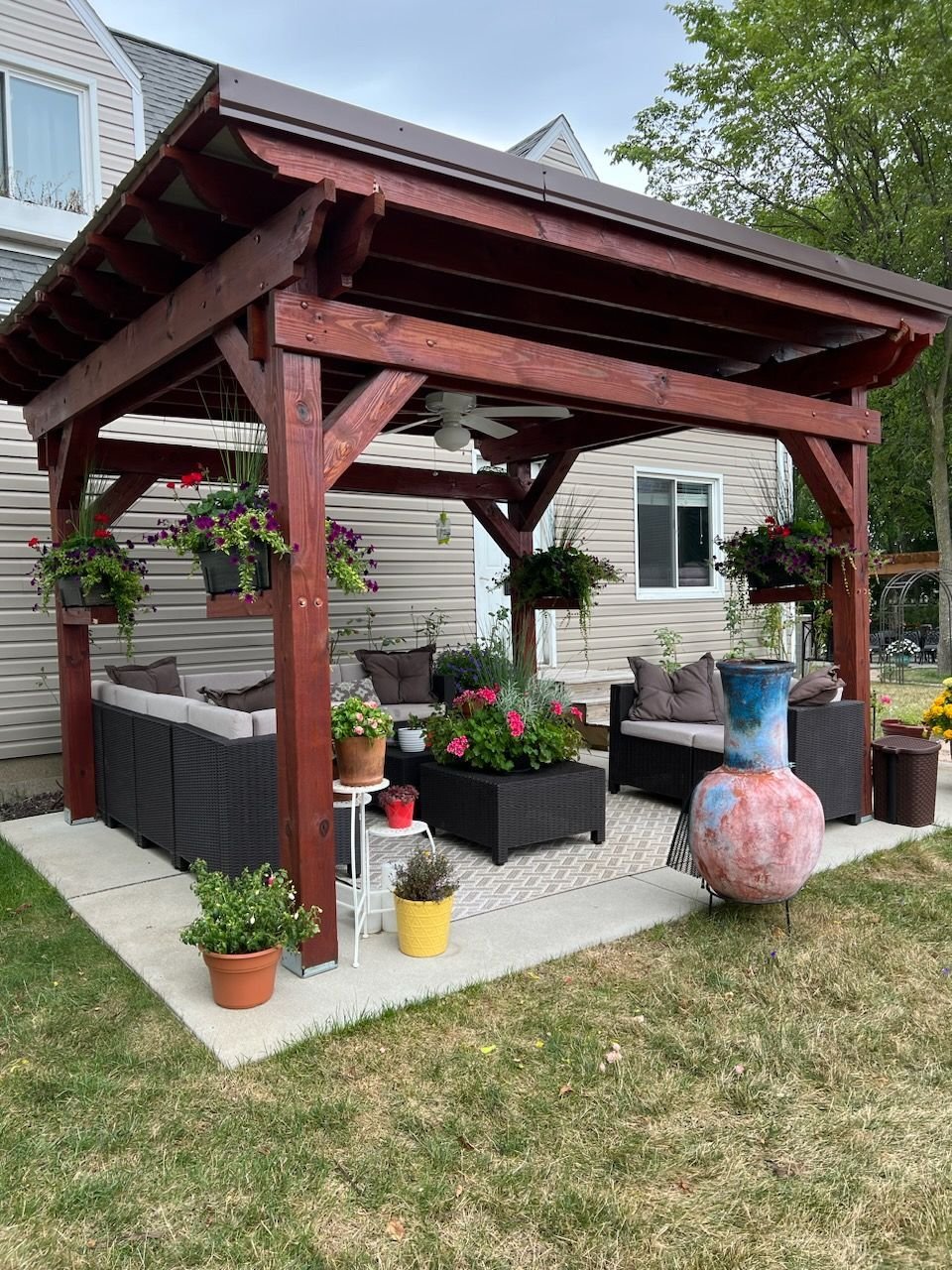
Decks, patios, pergolas, and everything around them.
Every exterior build is engineered for snow load, frost heave, and rain you have not seen yet. Here is the core of what we design and install.
Custom decks, properly footed.
Composite, hardwood, or pressure-treated framing on piers below the frost line. The deck that still sits level ten winters from now.
Covered outdoor living.
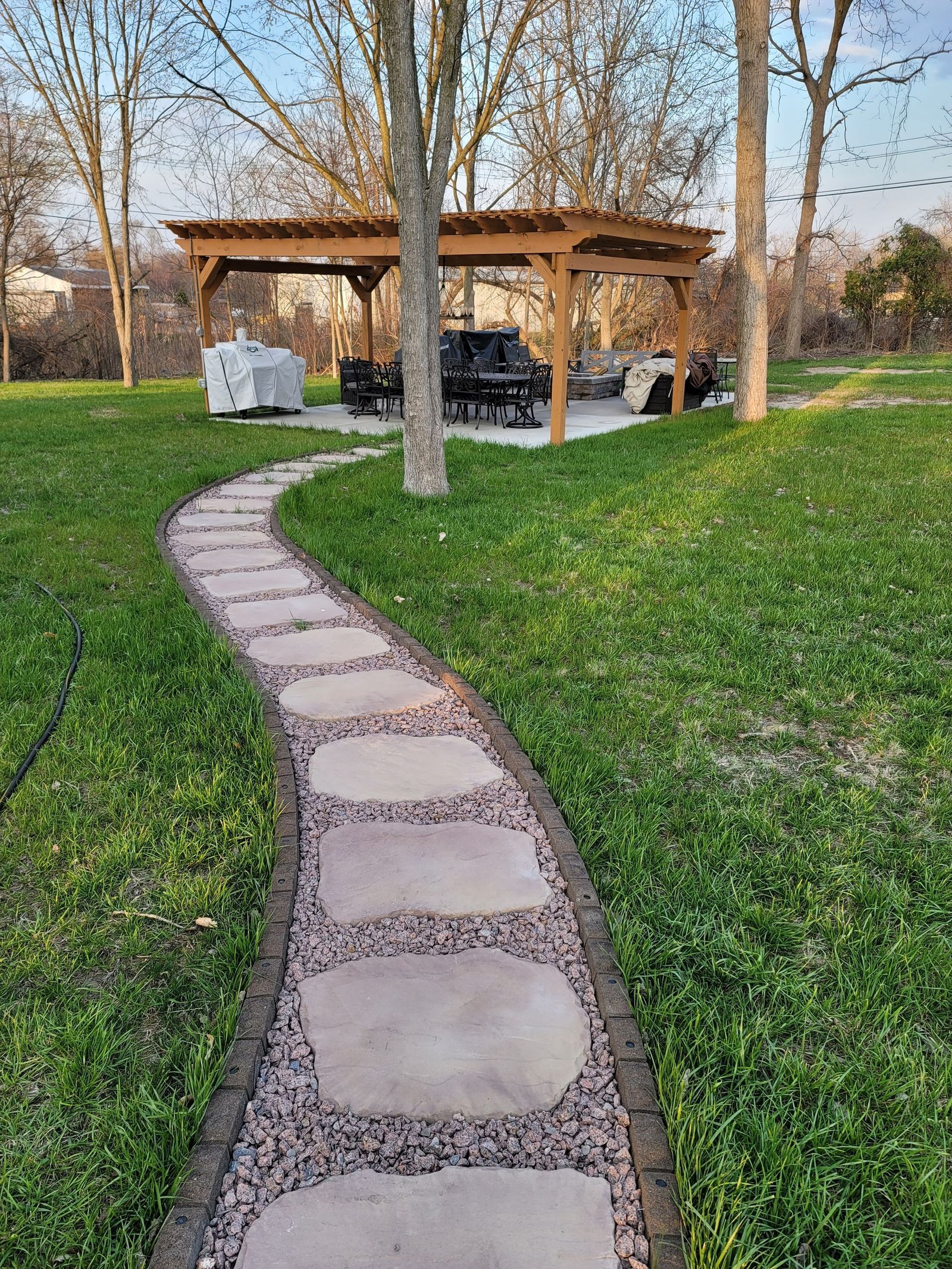
Hardscape & walkways.
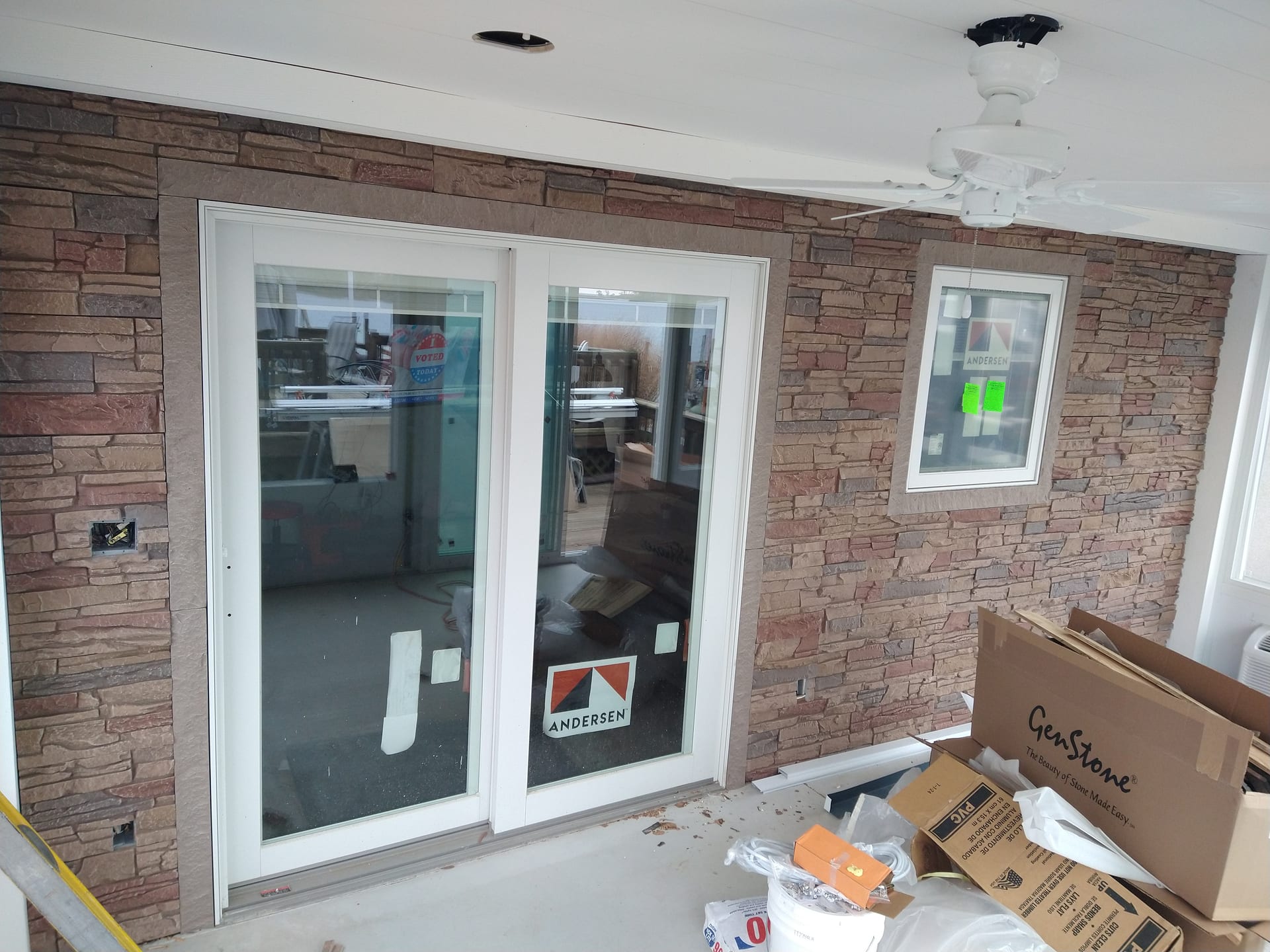
Exterior finishes.
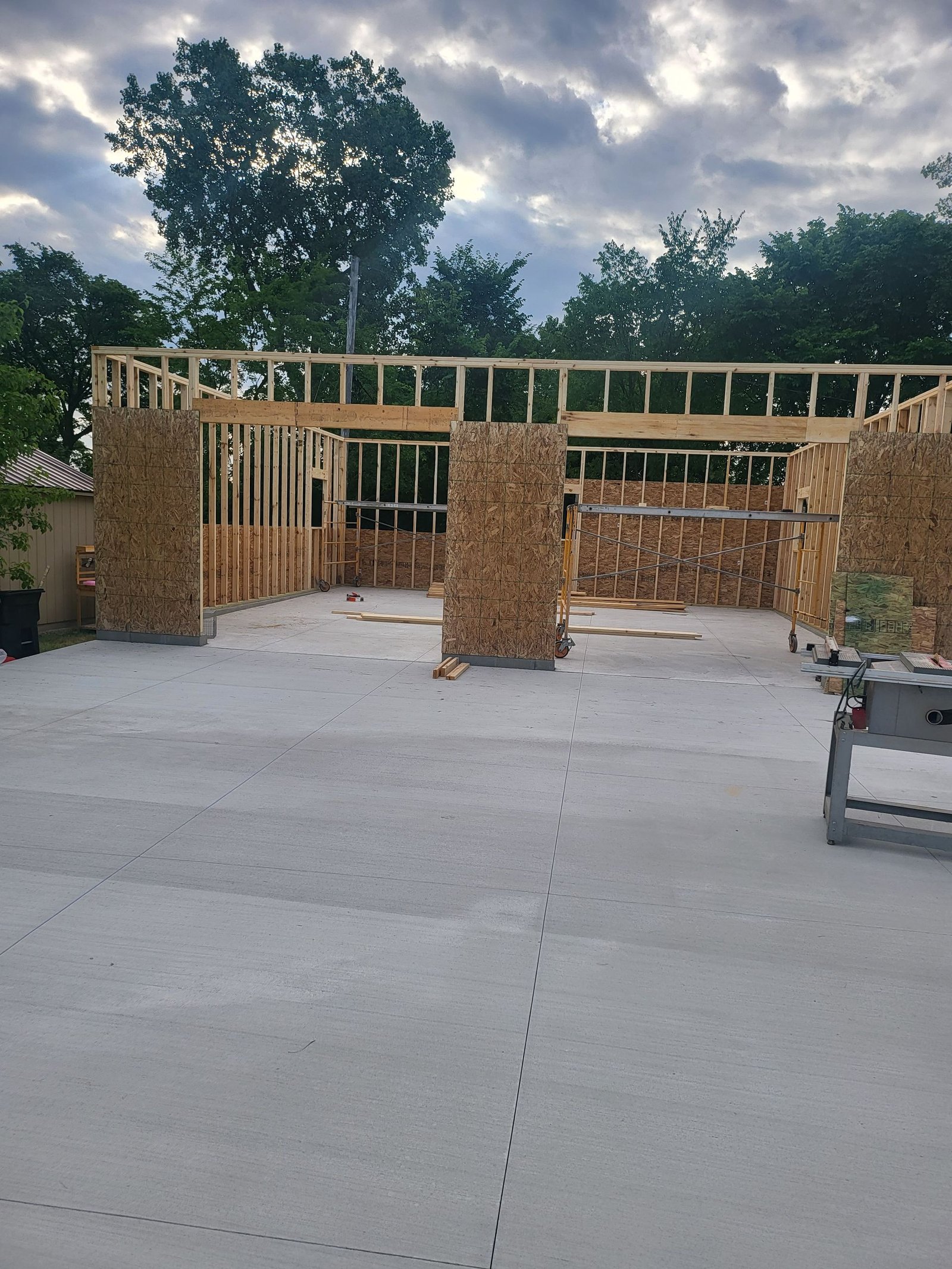
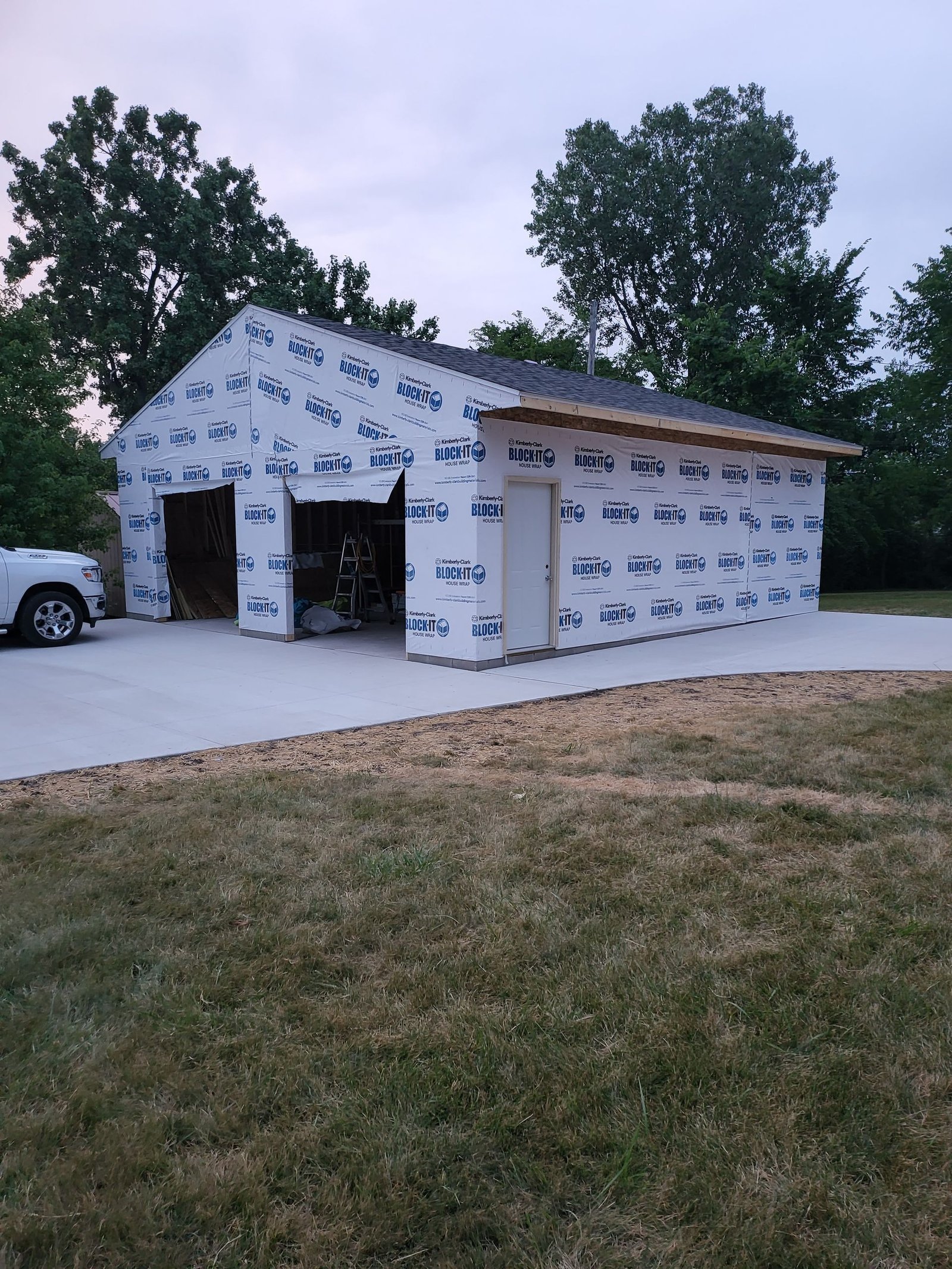
Sheds, structures.
Decks, patios, pergolas, and everything around them.
Every exterior build is engineered for snow load, frost heave, and rain you have not seen yet. Here is the core of what we design and install.
Custom decks, properly footed.
Composite, hardwood, or pressure-treated framing on piers below the frost line. The deck that still sits level ten winters from now.
Covered outdoor living.
Hardscape & walkways.
Exterior finishes.
Sheds, structures.
Outdoor structures live a harder life than anything inside.
Southeast Michigan winters cycle hard between freeze and thaw, summers bring real rain, and untreated framing rots fast in either. Every build accounts for it from the footings up.
Everything a deck does, it does because of the footing.
Skip a footing, use surface-set deck blocks, or pour above the frost line, and the structure lifts and twists as the ground freezes. Do it right, and the deck stays put.
A deck is really a structure hanging off of a handful of concrete cylinders. Everything above ground follows from those. When we quote a job, the footings are the part we spend time on.
Below the frost line
Every pier goes below the Michigan frost line so seasonal freeze-thaw cannot lift the structure.
Galvanized post base
The post base bracket isolates the wood post from the concrete so the post never sits in standing water.
Pressure-treated framing
Joists, beams, and the ledger are pressure-treated lumber, connected with galvanized hangers and structural fasteners.
Ledger flashing
Where the deck meets the house, flashing directs water off the sheathing. It is the single biggest piece of rot prevention on a deck.
Three surface options, three different trade-offs.
Framing below the deck is always pressure-treated. The visible decking surface is where the choice matters most: how it feels underfoot, how long it lasts, what you pay up front, and what you spend maintaining it.
Composite
Higher upfront · lowest maintenanceWood-plastic blend. Stains don’t soak in, splinters don’t develop, and the color stays mostly true for 20 to 25 years without refinishing.
Hardwood
Highest upfront · moderate maintenanceIpe, cumaru, or cedar. Dense, naturally rot-resistant, and beautiful. Ages to a silver patina unless you re-oil annually to keep the brown tone.
Pressure-treated
Lowest upfront · regular maintenanceTraditional yellow pine treated for ground contact. The most affordable deck surface, but needs cleaning and staining every 2 to 3 years to stay solid.
From the first call to you walking out on it.
Most Michigan deck builds run April through October. We book well in advance; spring slots go fast.
Explore our full range of renovation specialties.
Let’s talk about
your project.
We bring pride and passion to every project that we undertake, with a professional team of designers, project managers and tradespeople. Request your free consultation today.